
 21 Longsight, Bolton BL2 3HS

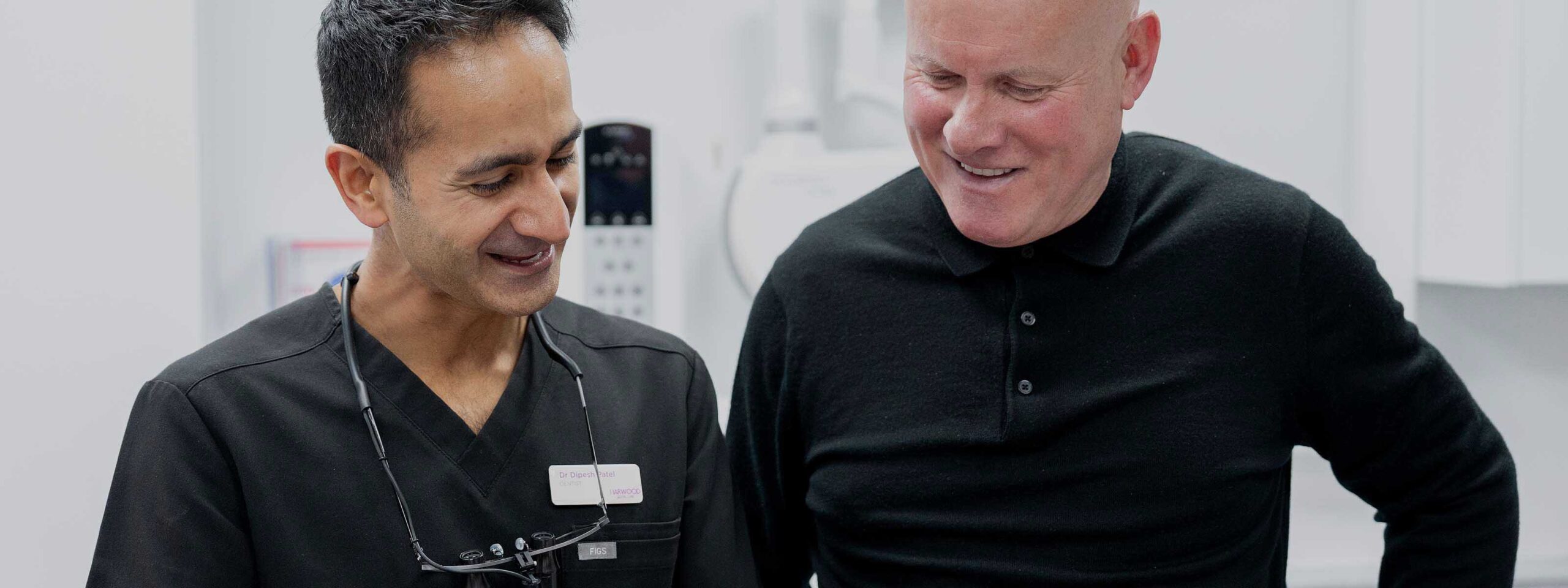
Complete New Smile
Why Patients Choose a Complete New Smile
If you’re living with missing, loose, or failing teeth, it can affect everything from eating to confidence. A completely new smile with dental implants gives you a secure, long-term solution that looks natural and feels stable day to day.
For many patients, it’s the step from “getting by” to feeling like themselves again.
- Fixed teeth that stay securely in place
- Natural-looking results designed around your smile
- More comfort and stability than removable dentures
- A long-term solution with the right aftercare

Watch video
Complete New Smile
Full Smile Implant Plans, Thoughtfully Delivered
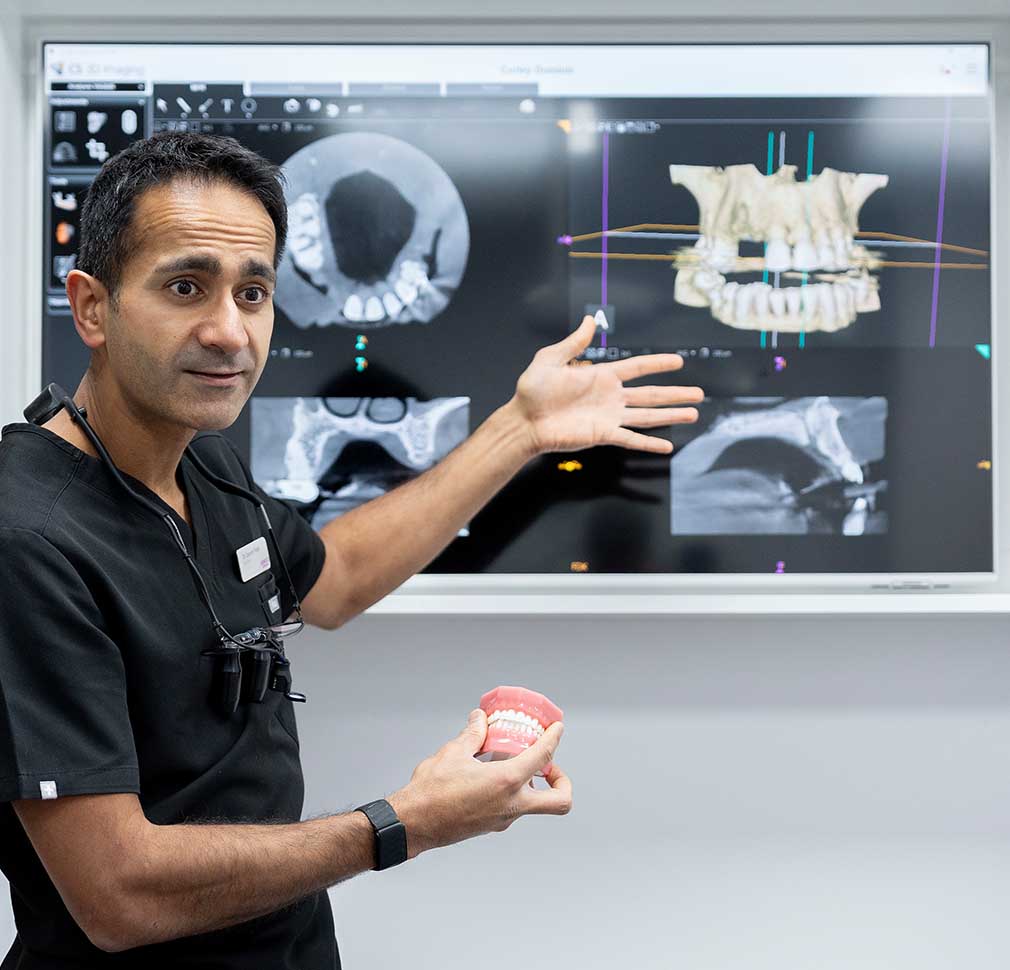
A complete new smile is never one-size-fits-all. We use digital scans to plan your treatment carefully, mapping the best implant positions and designing teeth that suit your face, bite, and lifestyle. Whether you’re exploring a full set of dental implants, full arch dental implants, or implant-supported dentures, we’ll explain your options calmly and clearly, including costs, timelines, and what’s realistic for you.
benefits
From Start to Smile
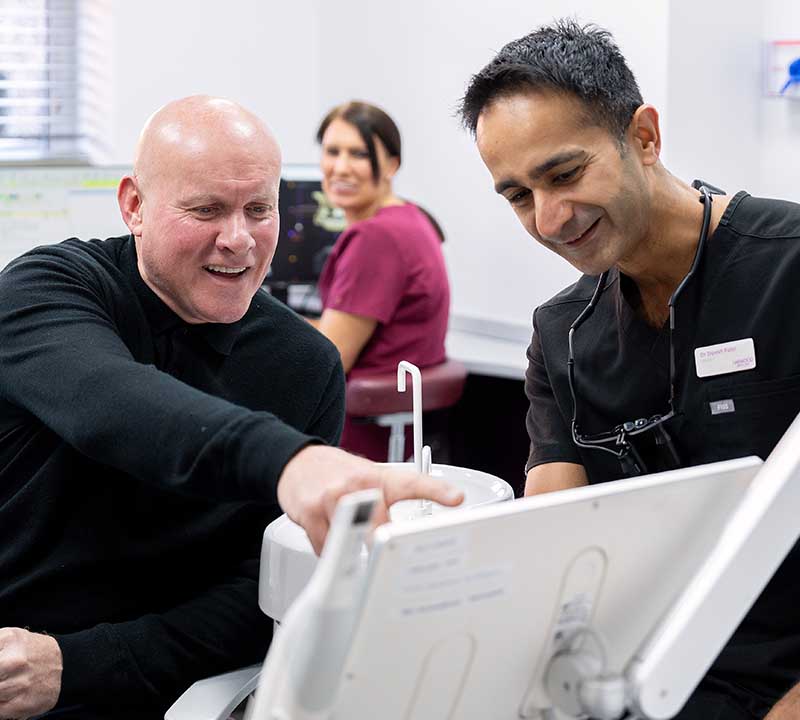
Your journey starts with detailed planning and a clear step-by-step explanation of the dental implants procedure steps. Treatment typically involves placing implants (the secure foundations), allowing healing time, then fitting your new teeth once everything is ready.
If you’re anxious, that’s completely normal. We’ll go at your pace, keep you informed, and support you throughout the process, so you always feel in control.
Complete New Smile
At a glance

Time:
4–9 months

Price:
Price on request

Appointments:
Structured plan over several visits

Comfort:
Secure, stable outcome

Suitability:
Multiple or full-arch replacement
Our expertise
Trusted care,
proven results
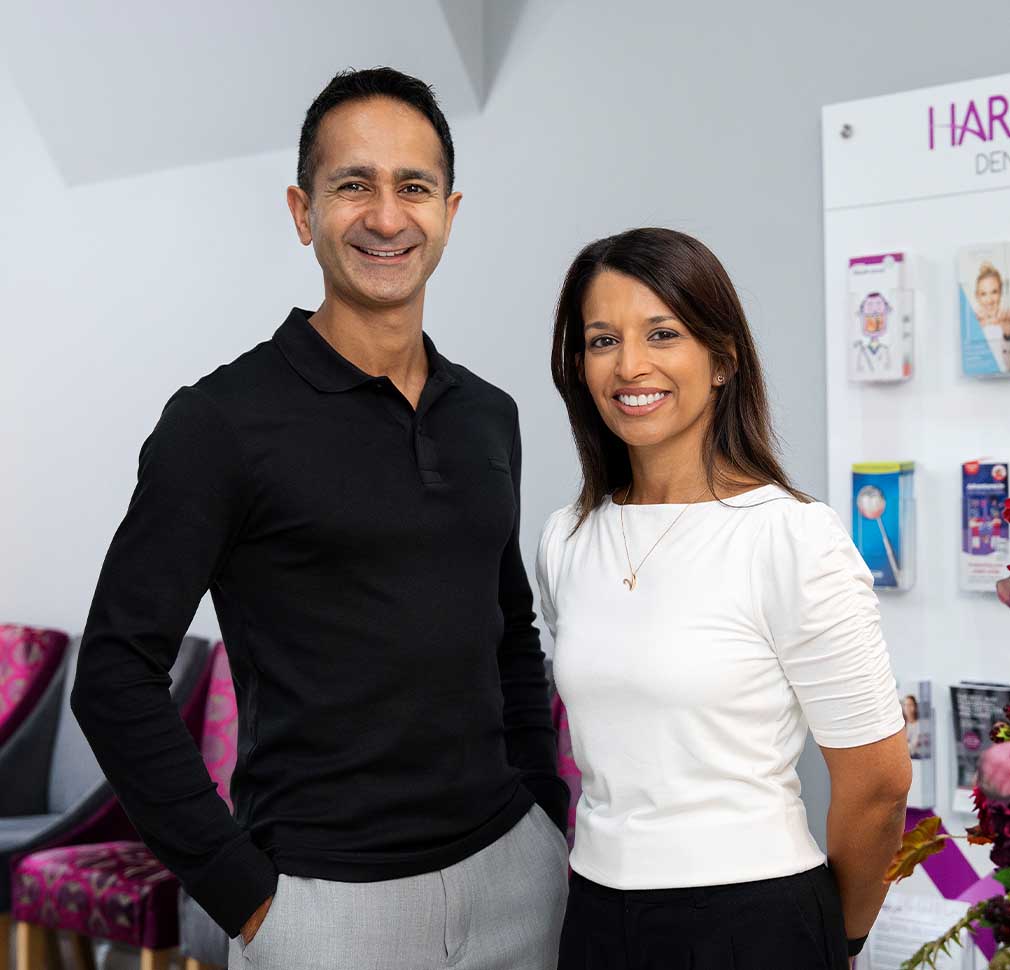
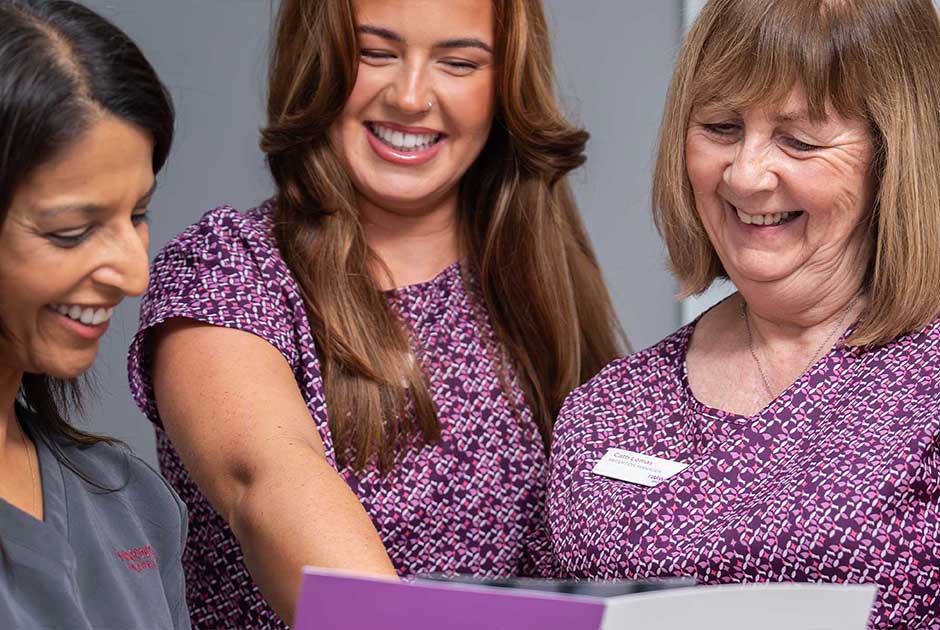
You’ll be looked after by a highly qualified team of dentists, dental therapists, hygienists, and dental nurses, in a family-friendly, comfortable environment designed for all types of patients.
We also make it easier to fit treatment around real life, with flexible appointments, including early morning and evening appointments. And if you’re a nervous patient, you’ll be supported with a calm, reassuring approach from start to finish.
Meet Our TeamPatient assessment
Is this right
for you?
If you’re considering dental implants in Harwood and want clear, honest guidance, we’re here to help. Your consultation is a chance to ask questions, explore options, and understand what a complete new smile could look like for you.
contact us
Your journey
Personalised care, every step of the way
Your consultation
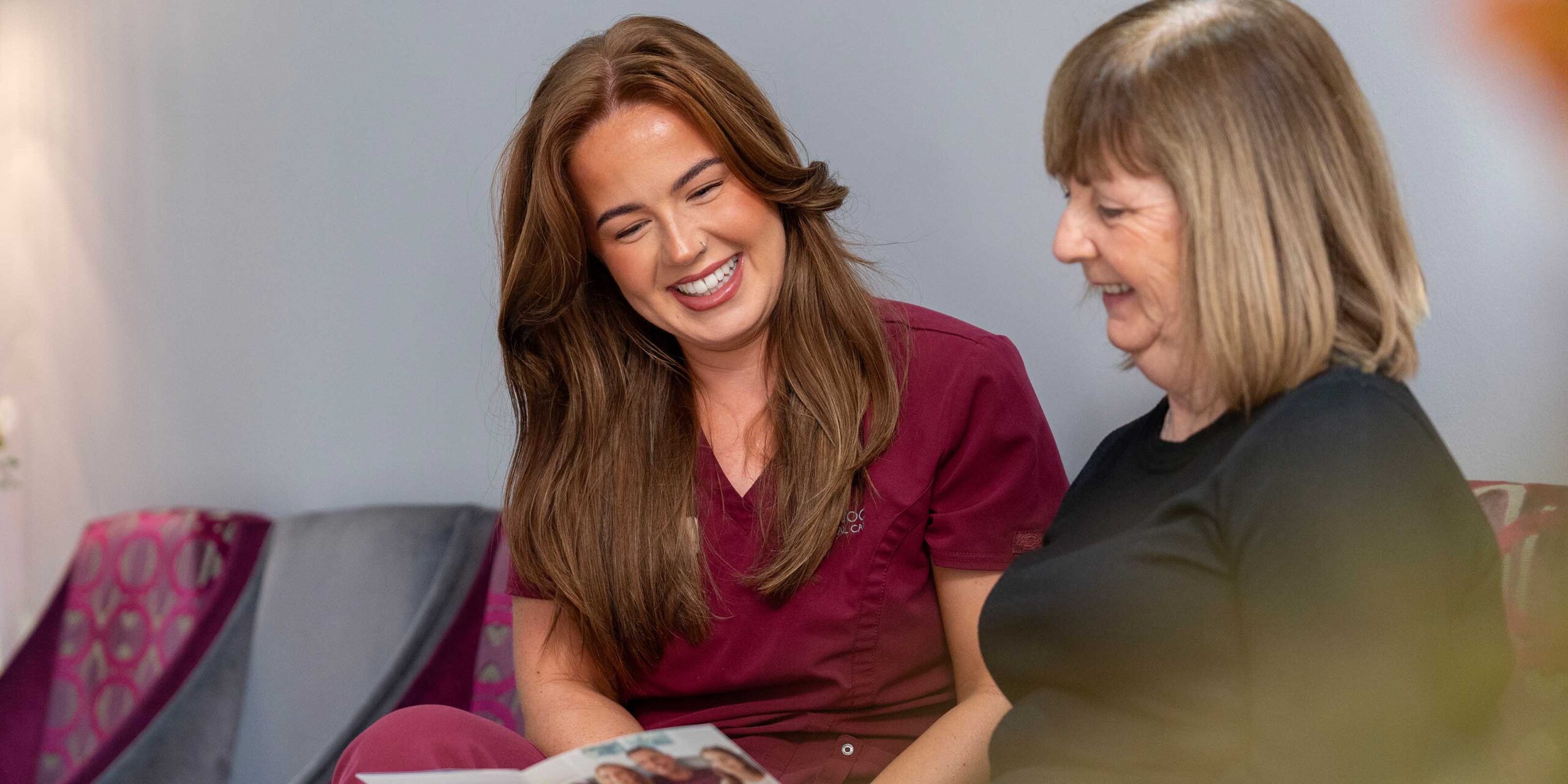
We’ll assess your mouth, take digital scans, and explain suitable options such as full arch implants or implant-supported dentures.
Your Treatment
Your implants are placed with care and allowed time to heal before your new teeth are fitted and refined.
Your Aftercare
We’ll support you with clear aftercare for dental implants and regular reviews to protect your results long term.
faqs
Your questions answered
It usually means replacing multiple or all teeth with implant-supported teeth. This can include a full set of dental implants or full arch dental implants. We’ll recommend the most suitable option for your mouth and goals.
Yes. Dental implants are a well-established treatment with strong long-term success rates. Careful planning and good aftercare are key.
Most patients find discomfort is milder than expected. You may feel some tenderness after surgery, but dental implants pain is usually manageable. We’ll guide you on what to expect and how to stay comfortable.
In some cases, same day dental implants may be possible, depending on bone levels and stability. We’ll always be honest about whether it’s suitable for you. Safety and predictability come first.
Full arch implants replace a complete row of teeth using a planned implant foundation. They’re designed to feel secure and stable for daily life. This option is often chosen by patients who want fixed teeth.
The pros include stability, natural appearance, and long-term reliability. The cons may include healing time and cost, these are the key implant pros and cons we’ll explain clearly. You’ll never feel pushed into a decision.
Dental implants drawbacks can include the need for surgery, healing time, and a commitment to aftercare. For some patients, additional treatments may be needed first. We’ll talk through everything openly.
The dental implants procedure steps usually include consultation and scans, implant placement, healing, then fitting the final teeth. Some cases may include temporary teeth during healing. We’ll map your plan clearly so you know what happens when.
Strong results depend on good dental implants aftercare. That means brushing and cleaning carefully, attending regular reviews, and keeping gums healthy. We’ll show you exactly how to look after your implants at home.
Problems are uncommon with good planning and maintenance, but dental implant problems can include gum inflammation or bite issues. We monitor your progress and address concerns early. You’ll always know who to contact if something feels wrong.
Some people consider dental implants abroad, often because of price. The key is making sure planning, safety standards, aftercare, and follow-up are reliable. Many patients prefer having treatment and support close to home for peace of mind.
Look for a qualified team, clear planning, and supportive care, plus genuine patient experiences and dental implants reviews. We’re happy to answer questions, explain options, and help you decide with confidence. Your consultation is always no-pressure.


Our patients feedback

“A very caring and professional experience. Vilas was very thorough, gentle and explained my options clearly. The nursing and reception staff were excellent, and the facilities and buildings maintained to a very high standard.”
Simon
“Have been using this practice for over 30 years. Have always had excellent service and quality treatment.”
Andrew
“As usual, the service was prompt and efficient. All the staff are polite and friendly. The actual treatment and checks are done carefully and thoroughly. I fully recommend this practice.”
Evan
Contact us
Get in touch today
If you’re considering dentistry in Harwood, our friendly team is here to help.
Harwood dental care
Related Treatments

Dental Implants Overview
Single Dental Implants