

How Often Should You Visit the Dentist for Check-Ups and Cleanings?
Regular dental visits play an important role in maintaining long-term oral health, yet many people are unsure how often they should book appointments. While some patients only seek dental care when they experience discomfort, routine check-ups and cleanings are designed to prevent problems before they develop.
Understanding how often to visit the dentist and why these appointments matter can help patients take a more proactive approach to their oral health.
Why Regular Dental Visits Are Important
Dental check-ups are not just about identifying cavities. During routine appointments, the overall health of the teeth, gums, and mouth is assessed. Early signs of issues such as gum disease, enamel wear, or bite problems can often be detected long before symptoms become noticeable.
Professional cleanings are equally important. Even with good brushing and flossing habits, plaque and tartar can build up in hard-to-reach areas. Removing this build-up helps reduce the risk of gum disease and supports healthier teeth and gums.
The General Recommendation for Dental Visits
For many patients, visiting the dentist every six months is a common guideline. This schedule allows for regular monitoring of oral health and timely intervention if problems arise. However, this recommendation is not the same for everyone.
Some individuals may benefit from more frequent visits, particularly if they are prone to gum disease, have ongoing dental conditions, or are undergoing certain treatments. Others with excellent oral health may be advised to attend less often.
Factors That Influence Visit Frequency
Several factors can affect how often dental visits are recommended. Gum health is a significant consideration, as early-stage gum disease may require more frequent monitoring and cleaning.
Lifestyle factors such as smoking can also increase the need for regular dental care. Smoking is linked to a higher risk of gum disease and oral health complications, making routine check-ups especially important.
Medical conditions, including diabetes, can influence oral health and healing. In these cases, dentists may recommend more regular visits to support ongoing care.
What Happens During a Dental Check-Up?
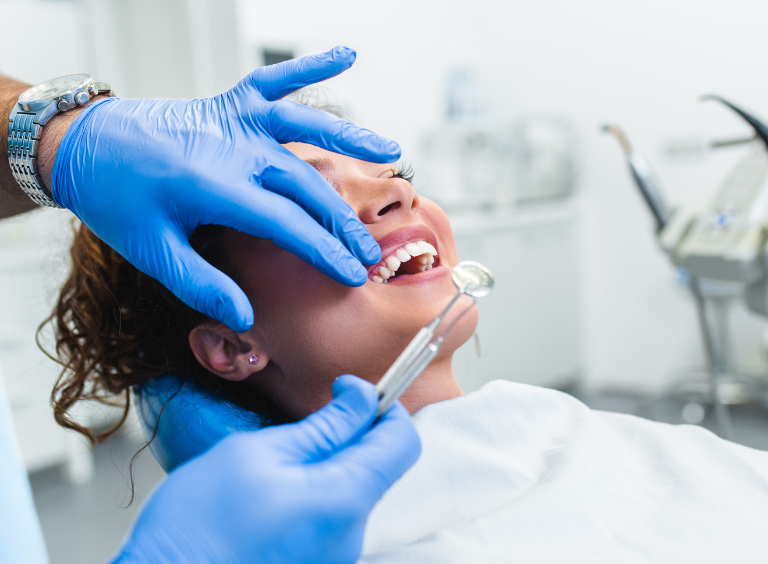
A routine dental check-up usually includes an examination of the teeth and gums, as well as a review of any changes since the last visit. X-rays may be taken when needed to assess areas not visible during a visual examination.
The dentist may also check the bite, look for signs of tooth wear, and examine the soft tissues of the mouth. These checks help identify potential issues early, often before treatment becomes more complex.
The Role of Professional Cleanings
Professional cleanings focus on removing plaque and tartar that cannot be eliminated through daily brushing alone. This process helps protect the gums and reduce inflammation, supporting long-term oral health.
Cleanings also provide an opportunity for advice on brushing techniques, interdental cleaning, and other aspects of oral hygiene that can improve at-home care.
Dental Visits for Children and Teenagers
Regular dental visits are important from an early age. For children and teenagers, check-ups support healthy development and allow potential issues to be identified early.
These appointments also help establish positive habits and familiarity with dental care, which can reduce anxiety and encourage lifelong oral health routines.
Dental Visits for Adults and Older Patients
As people age, oral health needs may change. Adults may experience issues such as gum recession, tooth wear, or existing restorations that require monitoring.
Regular dental visits help ensure these changes are managed appropriately and allow treatment to be planned before problems become more advanced.
What Happens If You Miss Regular Appointments?
Skipping routine dental visits can allow minor issues to progress unnoticed. Small cavities or early gum disease may worsen over time, potentially leading to more extensive treatment in the future.
Regular attendance helps maintain oral health and can reduce the likelihood of unexpected dental problems.
Final Thoughts
The ideal frequency for dental check-ups and cleanings depends on individual needs, oral health, and lifestyle factors. While six-monthly visits are a useful guideline for many people, personalised advice from a dental professional provides the most accurate recommendation.
Routine dental care supports early detection, prevention, and long-term oral health.